In the modern landscape of commerce, effective waste management is not merely a matter of regulatory compliance but a strategic component of operational efficiency, environmental responsibility, and public image. For commercial establishments—ranging from retail stores, offices, and hospitality venues to industrial facilities and construction firms—the choice of waste disposal method can influence costs, productivity, safety, and sustainability goals. Among the options available, Skip Bins have emerged as a versatile and advantageous solution. Their design, capacity flexibility, and adaptability to varied waste streams make them particularly beneficial for businesses seeking a streamlined approach to handling the diverse refuse generated in daily operations. Understanding these benefits helps explain why skip bins are widely adopted across sectors and how they contribute to smarter, cleaner, and more cost-effective business practices.
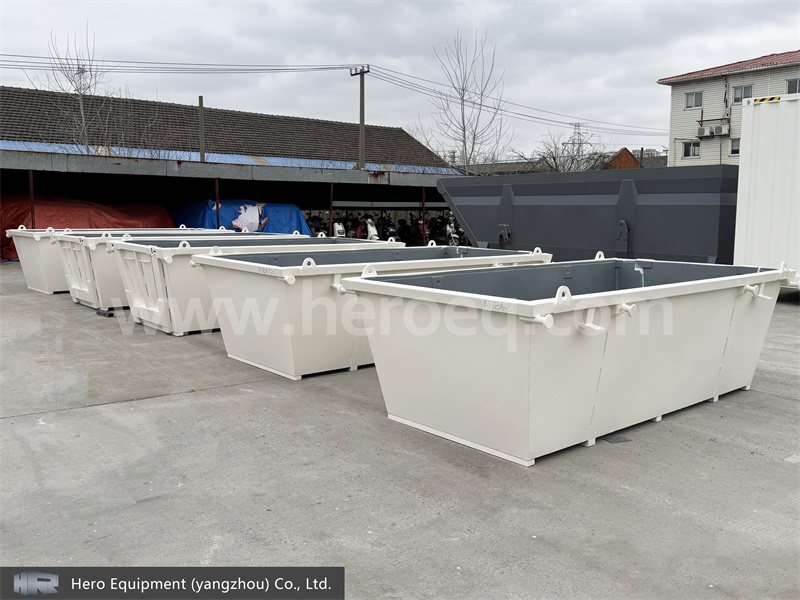
Streamlined Waste Collection and Operational Efficiency
One of the foremost advantages commercial establishments gain from using skip bins is the consolidation of waste into a single, accessible collection point. In busy workplaces, waste originates from multiple sources: packaging materials in retail spaces, food scraps in hospitality settings, paper and electronic waste in offices, and construction debris at renovation sites. Without a systematic approach, employees may disperse waste into numerous small bins or even resort to irregular off-site disposal, leading to time loss and logistical complications.
Skip bins simplify this by providing ample volume within a fixed location, reducing the frequency of waste trips and allowing staff to focus on core tasks rather than coordinating hauling or sorting logistics. The standardized sizes accommodate different volumes, so a business can select a bin that matches its typical output, avoiding both overflow and underutilization. This predictability supports smoother workflows, minimizes disruptions, and contributes to overall operational efficiency.
Enhanced Workplace Safety and Cleanliness
Workplace safety is a priority in any commercial setting, and unmanaged waste can pose several hazards. Loose debris may cause slips, trips, and falls; accumulations of combustible materials increase fire risk; and scattered waste can attract pests or create unsanitary conditions. By allocating a designated skip bin, businesses confine refuse to a controlled area, reducing the chance of accidents and promoting a cleaner environment.
Moreover, large-capacity skip bins help prevent overfilling of smaller containers, which often leads to spillage around bin tops or into surrounding areas. Many skip bins are designed with secure lids or covers, limiting unauthorized access, containing odors, and deterring animals or insects. For establishments operating in health-sensitive industries, such as food service or healthcare, maintaining a hygienic space through reliable waste confinement is critical for meeting both legal standards and customer expectations.
Cost-Effectiveness and Predictable Budgeting
Cost considerations weigh heavily in business decisions, and waste disposal is no exception. Skip bin services often operate on a transparent pricing model based on bin size, hire duration, and waste type, enabling businesses to forecast expenses with greater accuracy. Rather than incurring variable costs from ad hoc disposal methods—such as paying per bag or per load for municipal collection—a company can negotiate regular schedules and fixed rates that align with its cash flow patterns.
Additionally, the labor-saving aspect of skip bins reduces indirect costs. Staff spend less time managing waste, freeing them for revenue-generating activities. Because waste is collected efficiently in bulk, transportation costs per unit of waste are typically lower compared to frequent small-scale removals. Over time, these efficiencies accumulate into noticeable savings, especially for businesses with high or seasonally fluctuating waste volumes.
Flexibility to Handle Diverse Waste Streams
Commercial operations produce heterogeneous waste, from general refuse and cardboard to green waste, metals, plastics, and hazardous materials. Specialized skip bins are available to segregate these streams, supporting environmentally sound disposal and recycling practices. For instance, a business might use separate bins for general waste, recyclables, and organic material, ensuring that recoverable resources are diverted from landfills.
This segregation capability aligns with corporate sustainability objectives and regulatory requirements, many of which increasingly mandate waste diversion targets. By facilitating organized sorting at the source, skip bins help businesses avoid contamination of recyclable loads, thereby increasing the viability of recycling programs and potentially qualifying for incentives or improved sustainability ratings.
Environmental Responsibility and Regulatory Compliance
Environmental stewardship has become integral to brand identity and stakeholder trust. Governments and industry bodies impose regulations on waste handling, disposal, and reporting, and noncompliance can result in fines or reputational damage. Skip bin providers are generally well-versed in these regulations and can advise on compliant waste stream management.
Using skip bins encourages adherence to best practices: waste is collected in appropriate containers, transported by licensed operators, and processed according to environmental laws. Many skip bin services maintain documentation and tracking systems, offering businesses evidence of responsible disposal for audits or public disclosures. In this way, skip bins serve not only as practical tools but also as instruments of accountability, helping companies demonstrate their commitment to ecological principles.
Scalability for Changing Business Needs
Businesses experience fluctuations in activity due to seasonal demand, expansion projects, renovations, or special events. Skip bin services offer scalability to match these changing needs. A temporary increase in waste generation—such as during a store refit, product launch, or holiday rush—can be managed by arranging larger or additional bins without long-term investment in infrastructure.
Similarly, quieter periods allow downsizing to smaller bins, preventing unnecessary expenditure. This adaptability makes skip bins suitable for both stable enterprises and those with dynamic operations, ensuring that waste management keeps pace with business rhythms without imposing rigid constraints.
Minimized Downtime and Business Continuity
For many commercial operations, uninterrupted workflow is vital. Traditional waste removal methods that require frequent on-site attention or cause clutter can interrupt processes, especially in customer-facing environments. Skip bins, once positioned, remain in place with minimal daily interaction, allowing normal activities to proceed unhindered.
Scheduled collections occur without disrupting peak hours, and professional operators handle loading and transport swiftly. This reliability is particularly valuable in sectors like hospitality, where guest experiences must not be compromised by visible waste issues, or in manufacturing, where production lines depend on clear and safe surroundings.
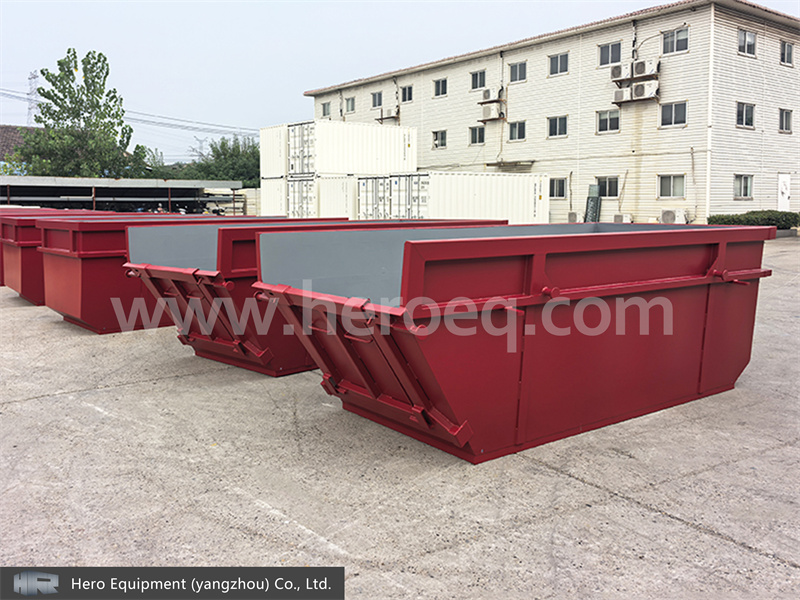
Improved Public Image and Stakeholder Perception
Customers, investors, and community members increasingly consider environmental and operational practices when forming opinions about a business. Visible commitment to clean, efficient, and sustainable waste handling—exemplified by the use of well-maintained skip bins—can enhance reputation. It signals professionalism, responsibility, and respect for shared spaces and natural resources.
In competitive markets, such positive perception can influence purchasing decisions, tenant satisfaction, and partnership opportunities. Demonstrating structured waste management through skip bin usage becomes a tangible indicator of a company’s values and operational excellence.
Support for Construction and Renovation Projects
Commercial construction, refurbishment, and demolition generate substantial amounts of debris, including wood, metal, concrete, drywall, and packaging. Skip bins sized for heavy-duty waste facilitate orderly removal, keeping sites navigable and compliant with occupational safety rules. On large projects, multiple skips can be deployed to separate materials, expediting recycling and reducing landfill burden.
The ability to remove bulky items promptly prevents accumulation that could delay work, damage equipment, or create unsafe conditions. Thus, skip bins contribute directly to project timelines and cost control in the built environment sector.
Facilitation of Community and Employee Engagement
When businesses visibly manage waste responsibly, they foster a culture of environmental awareness among employees and visitors. Easy access to appropriately labeled skip bins encourages proper disposal habits and reinforces the importance of segregation. Some organizations couple skip bin initiatives with internal training or outreach campaigns, deepening engagement and aligning staff behavior with corporate sustainability goals.
This participatory approach not only improves waste outcomes but also strengthens team cohesion and pride in workplace practices, creating a virtuous cycle of continuous improvement.
Commercial establishments stand to gain multifaceted benefits from integrating skip bins into their waste disposal strategies. These advantages span operational efficiency, safety, cost predictability, environmental compliance, and public image enhancement. The versatility of skip bins in accommodating varied waste types and volumes makes them suitable for a broad spectrum of industries and adaptable to shifting business demands. By consolidating waste handling into a manageable system, reducing risks, and supporting sustainability objectives, skip bins enable businesses to operate more cleanly, safely, and economically. In doing so, they provide not just a practical solution for refuse removal but a foundation for responsible growth and enduring stakeholder trust in an increasingly conscientious marketplace.



 Telefoon
Opmerking
(0)